Electrical Safety Audit
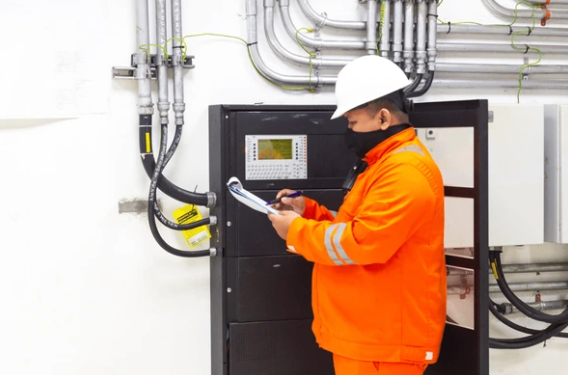
An Electrical Safety Audit is a critical examination of an organization's electrical systems, equipment, and associated work practices. We assess the integrity of installations, effectiveness of protective devices, earthing systems, and adherence to safe operating procedures. The goal is to identify potential electrical hazards such as shock, burns, or fire, and to ensure that electrical systems are designed, operated, and maintained safely.
Aim
To identify electrical hazards, verify the integrity of electrical systems and safety practices, and recommend measures to prevent electrical accidents and equipment failures.
Scope of Audit
Key Outcomes
- Identification of fire risks and shock hazards in the electrical system
- Assessment of earthing system effectiveness and compliance
- Evaluation of protective device coordination and reliability
- Report on the physical condition of critical electrical assets
- Identification of gaps in electrical safe work practices
- Actionable recommendations to enhance overall electrical safety
Key Benefits
Audit Support
Why Choose ABHIRUP?
- Certified electrical engineers and safety experts conducting the audits
- Use of advanced testing equipment (thermography cameras, earth testers)
- Comprehensive assessment covering both technical installations and human factors
- Recommendations aligned with national (IS) and international (IEEE, IEC) standards
- Focus on practical, engineering-based solutions to eliminate electrical risks
Related Services
Electrical Compliance Audit
Assessment of electrical installations against Central Electricity Authority (CEA) regulations, Indian Electricity Rules, and IS standards.
Learn moreMechanical Safety Audit
Evaluation of machinery safety, equipment condition, maintenance practices, guarding, and safe operational procedures.
Learn moreInstrumentation & Control Systems Audit
Assessment of instrumentation systems, calibration practices, control systems reliability, and safety instrumented systems (SIS).
Learn moreReady to Get Started?
Contact us to discuss your requirements and get a customized proposal.
Contact Us